
The Weave of Intramuros
Philippine Revolution
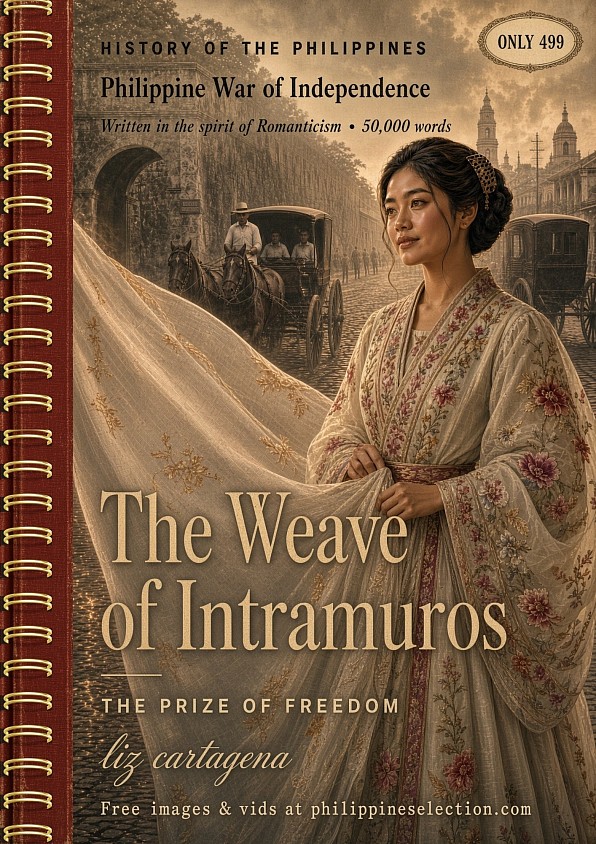
To understand the Philippine Revolution of 1896, one must look beyond formal treaties and open battlefields. The birth of the Philippine nation was a fiery, complex tapestry woven from quiet acts of courage, institutional betrayal, and the unyielding resilience of a people determined to define their own destiny. For over three centuries, the Spanish Empire ruled the archipelago through a rigid colonial apparatus centered within Intramuros—the impenetrable "Walled City" of Manila. By the late 19th century, anti-colonial anger reached a boiling point. While ilustrado reformists demanded representation, a secret revolutionary society called the Katipunan organized workers, artisans, and clerks into an underground brotherhood pledged to complete liberation. The conflict that erupted in August 1896 was an information war as much as a clash of steel. With Spanish gunboats patrolling the Pasig River and artillery batteries shelling lowland towns, the lifeblood of the revolution depended on clandestine networks. Intelligence moved through ordinary trade routes: hidden inside rice barges, sewn into saddlebags, and embedded within traditional crafts. Among these, none held greater prestige than piña weaving. Harvested from pineapple plant fibers and painstakingly embroidered, gossamer piña garments were prized by colonial elites in Intramuros. Yet, in the hands of resourceful patriots, this luxurious fabric became an unsuspected cipher—a canvas where subtle variations in weave and floral embroidery transmitted troop coordinates and supply routes between mountain rebel camps and Spanish Manila. The revolution exposed sharp fault lines: the divide between paranoid imperial authorities inside Intramuros and fluid guerrilla networks in the provinces; the agony of mestizos torn between colonial security and national liberation; and the bittersweet triumph of June 12, 1898, when independence was declared in Kawit just as foreign American warships gathered ominously in Manila Bay. It is within this high-stakes historical reality that The Weave of Intramuros takes root. Following Talang “Tala” Dimagiba, a weaver turning her loom into a covert intelligence tool, and Mateo Ruiz de Luzuriaga, a Secretariat clerk leaking secrets from inside the Walled City, this novel exposes the quiet espionage and enduring hope that sustained a nation’s birth—proving that freedom is woven one unbroken thread at a time.
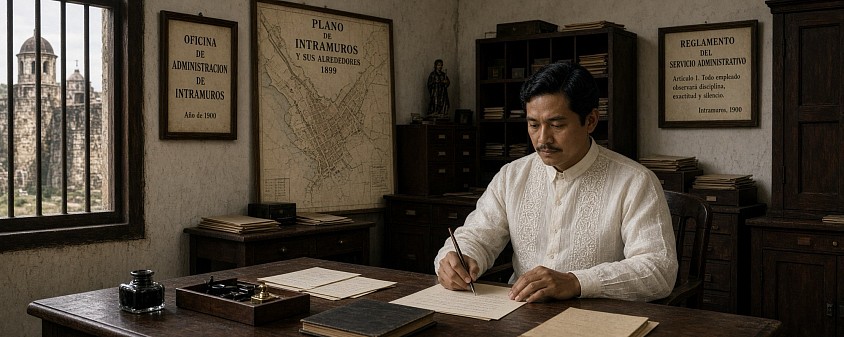
Mateo Ruiz de Luzuriaga
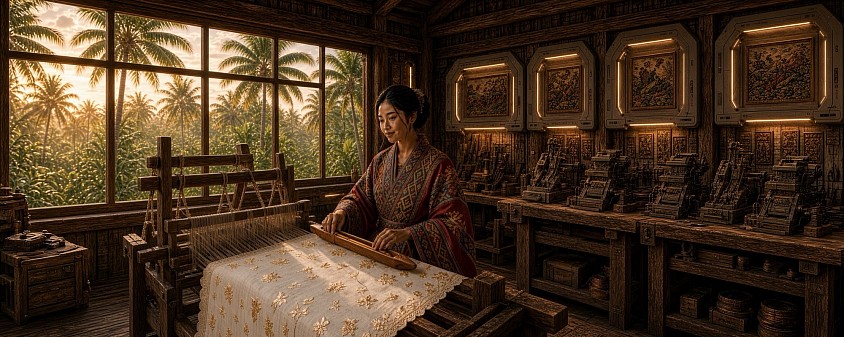
Talang “Tala” Dimagiba
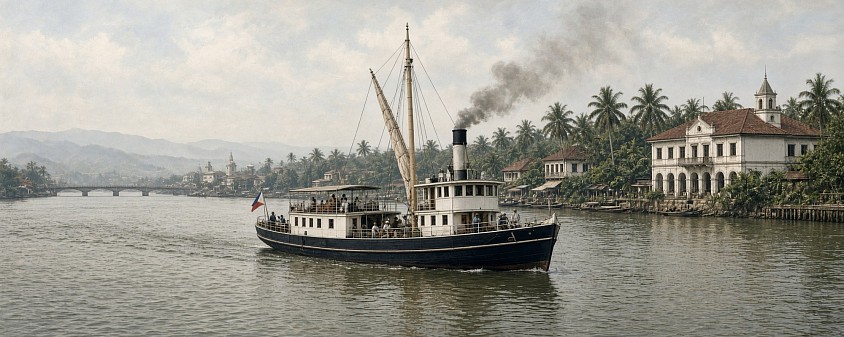
Pasig river
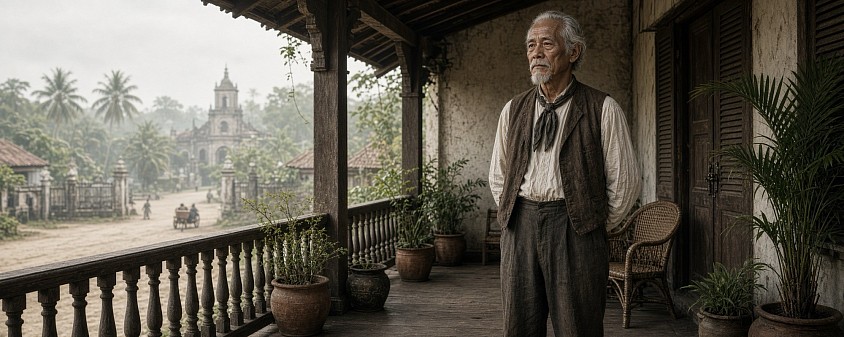
Hermogenes Dimagiba

Mateo walks from Manila in the direction of Laguna

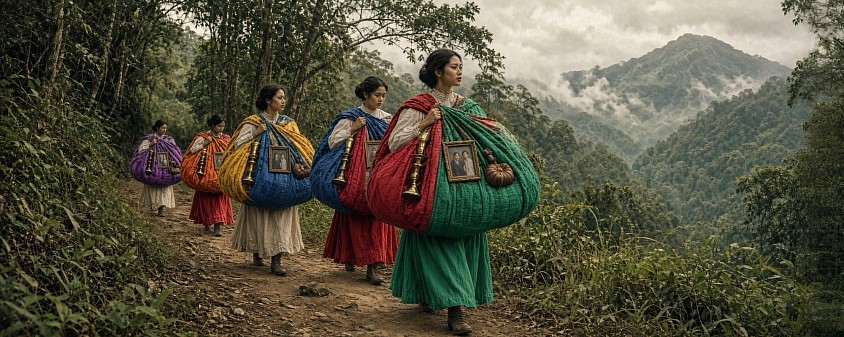
Ciriaco, carry the dispatches to Commandante Cailles in the hills above Pagsanjan
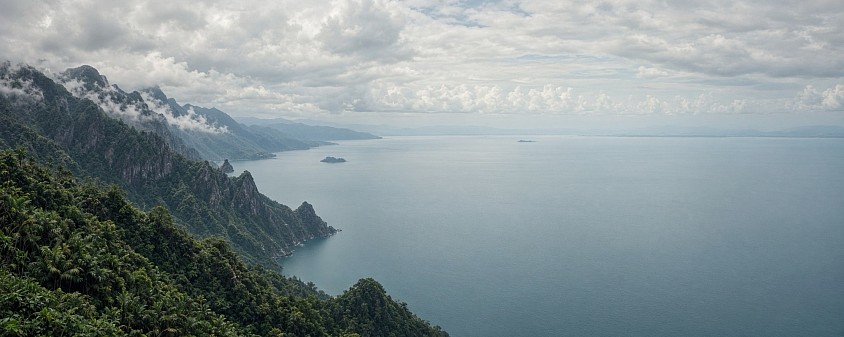
Laguna de Bay
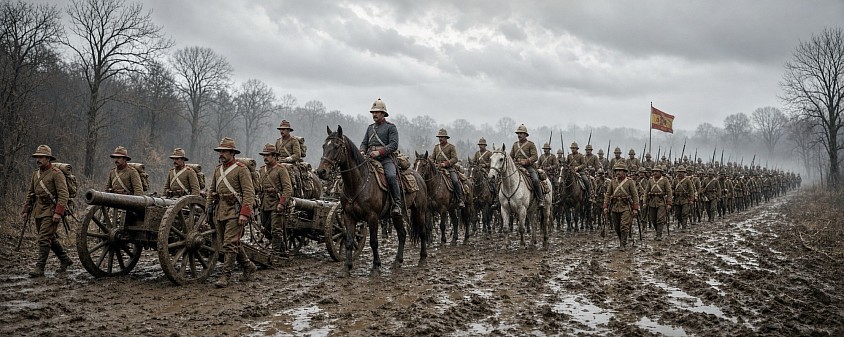
Spanish military colon